
ADVANCED TWO-DAY MASTERCLASS
Two days of Clinical Decision-Making in Esthetic, Restorative and Implant Dentistry
OcTOBER 15-16, 2027
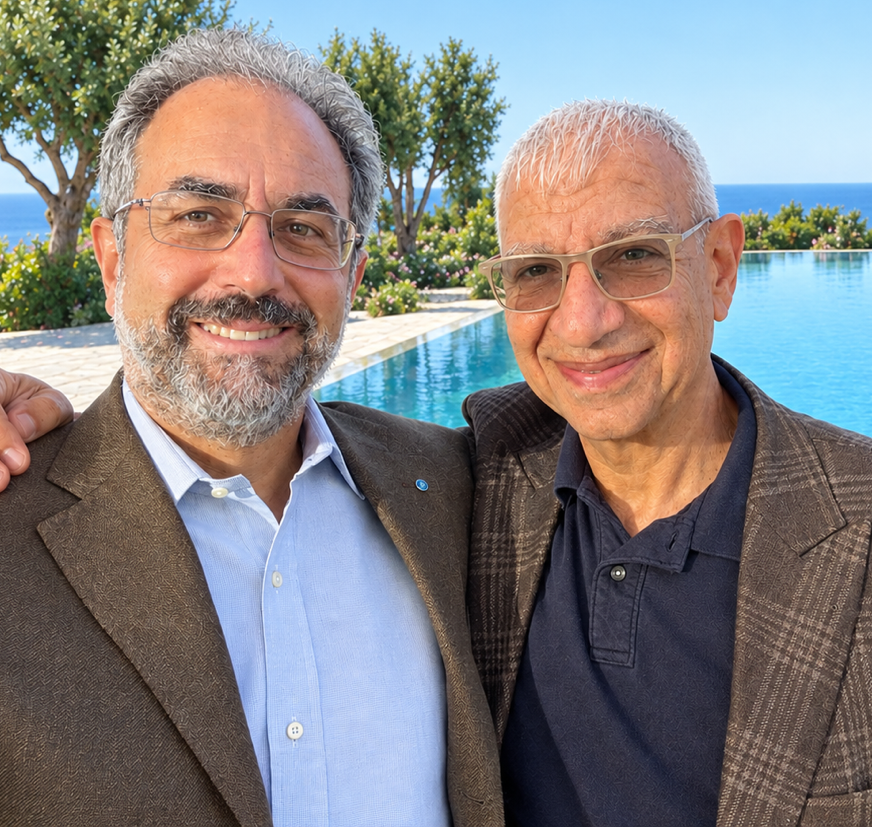
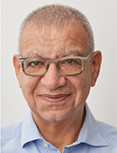
Prof. Nitzan Bichacho is a world-renowned Master of esthetic and interdisciplinary dentistry who, throughout his extensive clinical career, has helped develop top-tier implantology systems. He holds a DMD degree from the University of Jerusalem, where he also serves as a Professor of Prosthodontics.
A Past President of the European Academy of Esthetic Dentistry (EAED), Prof. Bichacho is internationally recognized and respected for his clinical and scientific expertise.
During the two-day masterclass—scheduled to take place in Milan in 2027—discussions with participants will focus on esthetically driven rehabilitations. Key topics will include soft tissue management around natural teeth and implants, in different challenging situations.
READ NITZAN BICHACHO’S CV
The concept
Modern dentistry offers us an extraordinary number of treatment possibilities. The real challenge is no longer simply knowing how to perform a procedure, but understanding when, why, and whether it should be performed at all.
This two-day program is therefore not intended to be a conventional sequence of lectures or a presentation of “perfect cases”. Instead, it is an open clinical discussion centered on the process of decision-making.
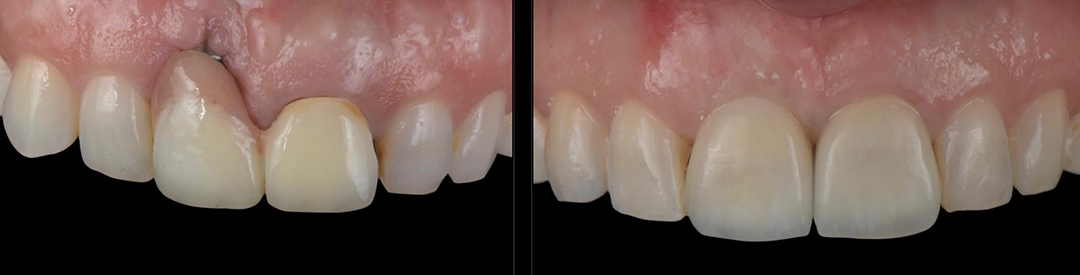
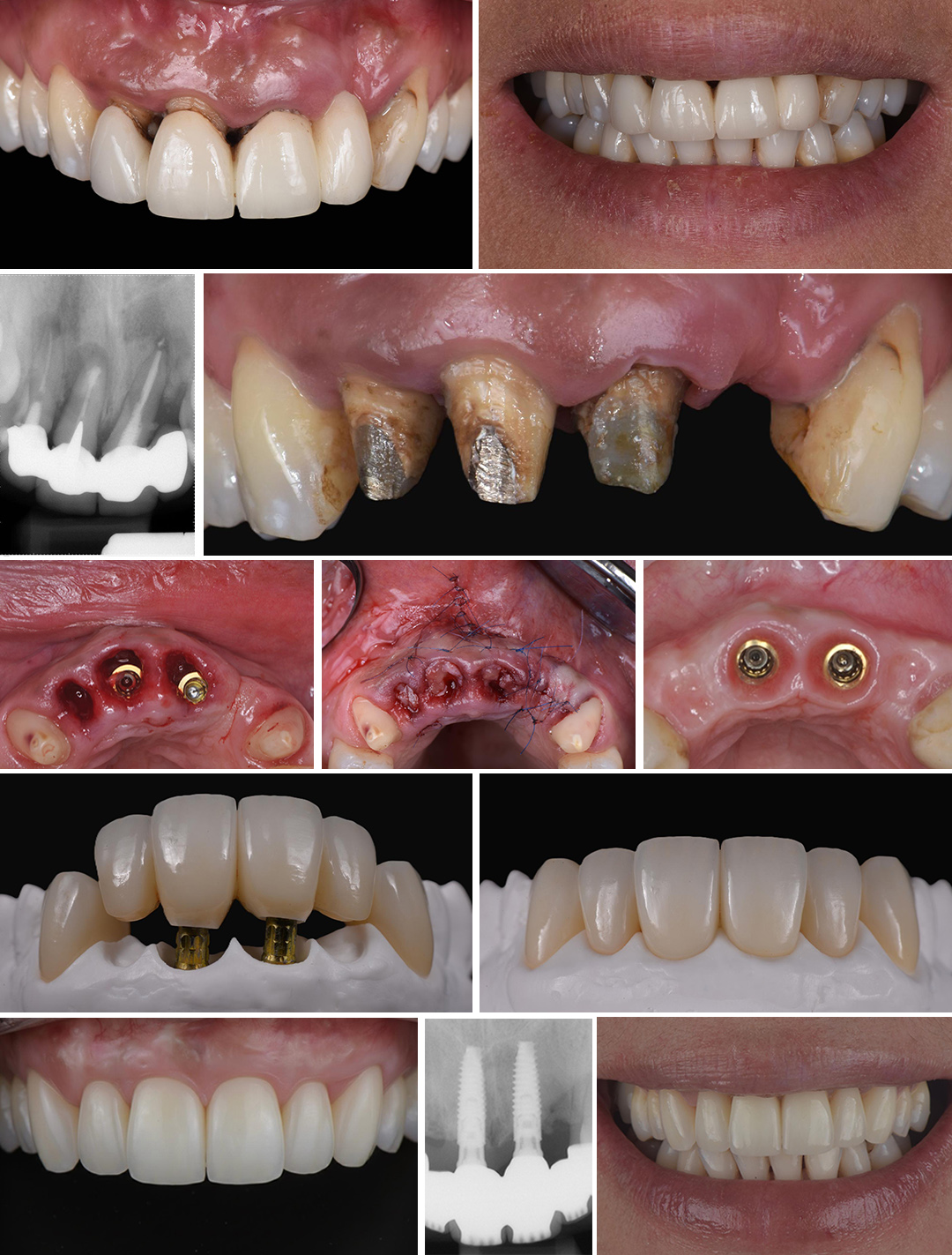
Through extensively documented clinical cases, including successes, complications, failures, changes of strategy and long-term follow-up, Nitzan Bichacho will share the considerations that guide his daily clinical decisions.
- What should be preserved, and what should be replaced?
- When is a minimally invasive approach truly the better treatment, and when does it become a compromise?
- When should we intervene surgically, and when can restorative procedures alone reshape the clinical situation?
- How do we balance biology, esthetics, function and longevity?
- And, perhaps most importantly, how do we recognize when the treatment we originally planned is no longer the treatment we should perform?
An open discussion
Participants will be encouraged throughout the program to question treatment choices, propose alternatives and openly discuss different approaches.
This is not intended to be two days of passive listening. It is an opportunity to discuss dentistry openly, including the uncertainties and compromises that are inseparable from real clinical practice.
Because excellent dentistry is not defined only by how precisely we execute a treatment. It begins with choosing the right treatment to execute.
There may be more than one correct treatment. The purpose of these two days is to understand the reasoning behind the choice.
IMPORTANT NOTE
The event will be held in English with simultaneous translation into Italian.
The course is aimed at experienced clinicians and dental technicians.
Attendance of the team is recommended.
Day 1 - FROM DIAGNOSIS TO DECISION
SEEING BEFORE TREATING
Successful treatment begins long before tooth preparation or implant placement.
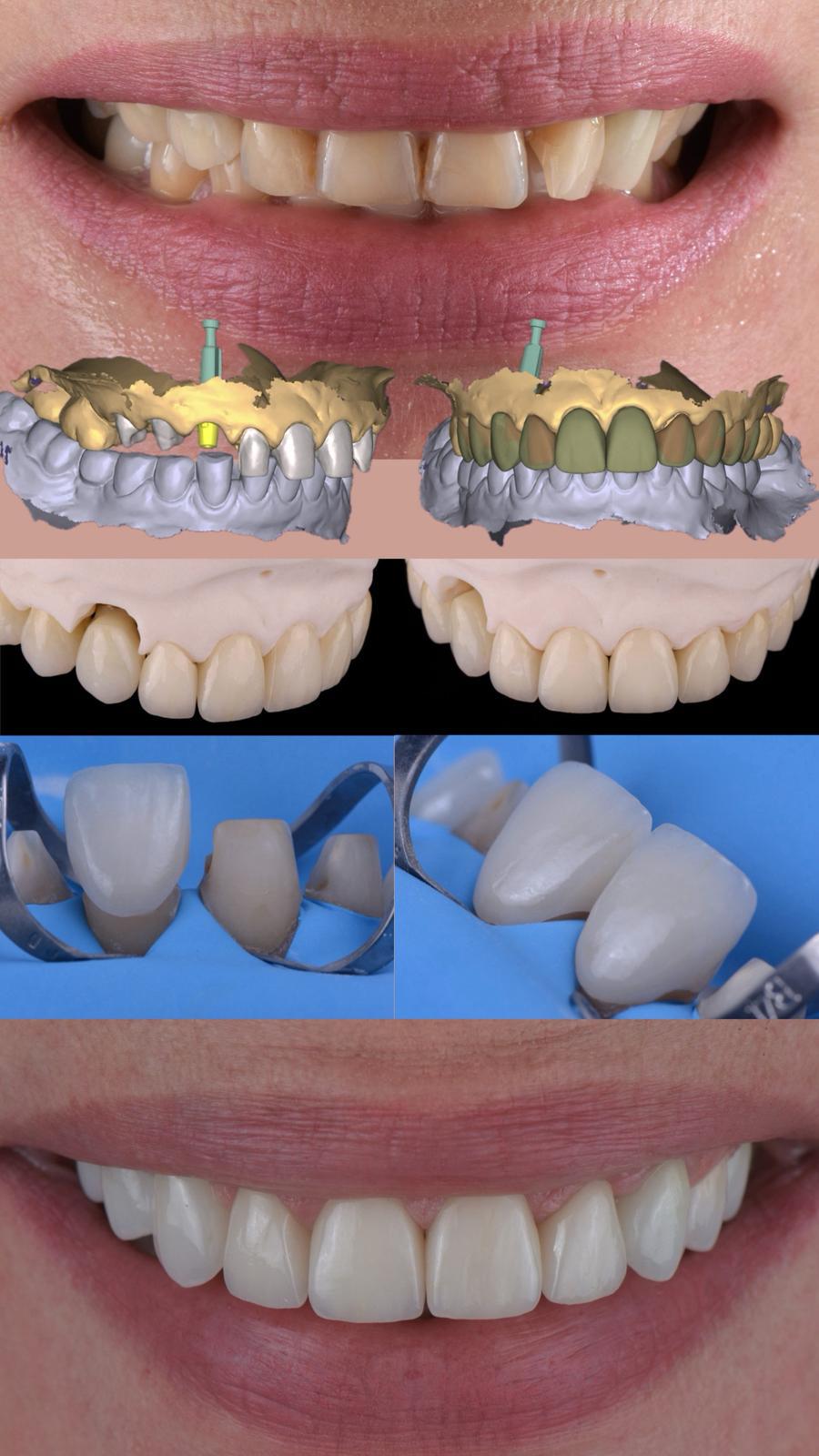
The first part of the program will focus on diagnosis and treatment planning in the esthetic zone, integrating facial, dental, periodontal, restorative and biological parameters.
Clinical cases will demonstrate how apparently small diagnostic details can completely change the treatment strategy.
Topics will include:
- Esthetic and biological diagnosis
- Facial and dentofacial analysis
- Tooth position, proportion and gingival architecture
- Interdisciplinary treatment planning
- Digital tools as diagnostic and communication instruments
- Understanding the limitations of digital information
- Choosing between restorative, orthodontic, periodontal and implant solutions
———————————————————————————————————
PRESERVATION BEFORE REPLACEMENT
One of the central questions in contemporary dentistry is not what we are capable of replacing, but what we are capable of preserving.
Treatment options for compromised teeth will be discussed with particular attention to the long-term biological consequences of our decisions.
Clinical situations will include:
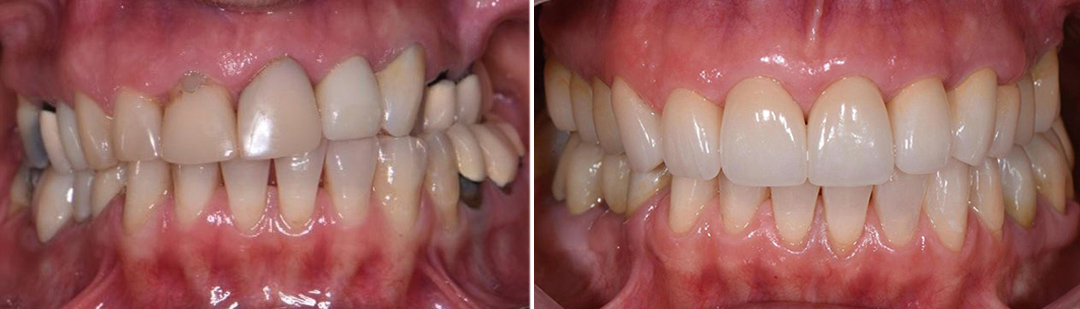
- Preservation of compromised natural teeth
- Minimally invasive restorative strategies
- Veneers, partial restorations and crowns
- Vertical preparations and biologically oriented restorative concepts
- Management of the restorative-periodontal interface
- Modification of emergence profiles and gingival architecture
- Provisional restorations as diagnostic and biological tools
- When extraction is justified and when it may represent overtreatment
———————————————————————————————————
THE ESTHETIC ZONE: TEETH, TISSUES AND OPTICS
Achieving an excellent restoration is not simply a matter of reproducing tooth shape and color.
The restoration must become part of a complex optical and biological environment.
Topics will include:
- Ceramic material selection
- Zirconia and lithium disilicate
- Layered versus monolithic restorative concepts
- Optical integration between restorations and natural teeth
- Managing adjacent veneers, crowns and implant-supported restorations
- The importance of provisionalization
- Laboratory communication
- Clinical evaluation before final bonding or cementation
- Managing discrepancies rather than accepting them
DAY 2 - IMPLANTS IN THE ESTHETIC ZONE
BEYOND OSSEOINTEGRATION
Osseointegration alone does not define implant success.
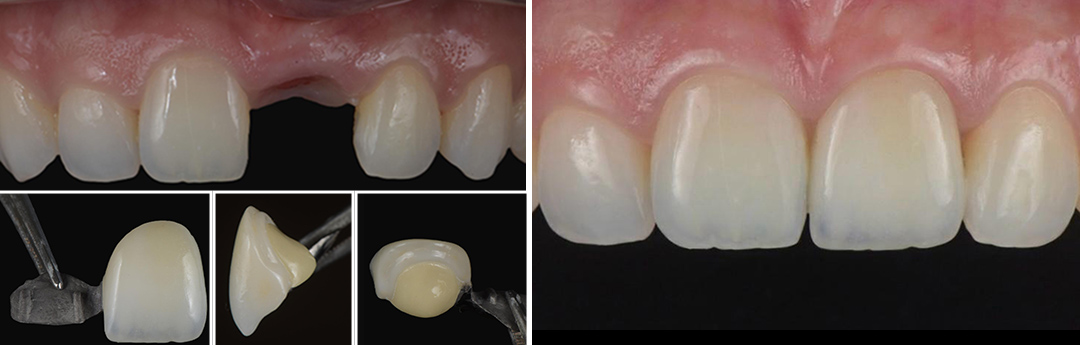
In the esthetic zone, the challenge is the creation and long-term preservation of a stable biological and esthetic environment around the implant-supported restoration.
Clinical cases will explore:
- Immediate versus delayed implant placement
- Implant positioning in three dimensions
- Implant macrogeometry and its biological implications
- Management of the facial bone and jumping gap
- Hard- and soft-tissue preservation
- The peri-implant biological envelope
- Emergence profile development
- Immediate provisionalization
- One-time abutment concepts
- Transmucosal components and tissue stability
- Implant-abutment-restoration relationships
- Long-term changes around anterior implants
- Complications and their management
———————————————————————————————————
ONE MILLIMETER MATTERS
In the esthetic zone, seemingly insignificant differences in implant position, restorative contour, tissue thickness or prosthetic component design may determine whether a result remains stable or deteriorates over time.
Using long-term clinical documentation, the discussion will examine how small differences can have major biological and esthetic consequences.
The objective is not simply to achieve an excellent result on the day of delivery, but to create a result that has the greatest possible chance of remaining excellent years later.
———————————————————————————————————
THE DIGITAL WORKFLOW: TECHNOLOGY WITH A PURPOSE
Digital dentistry has dramatically expanded our capabilities, but technology should support clinical reasoning rather than replace it.
The program will explore the integration of:
- Intraoral scanning
- Digital treatment planning
- Digital smile analysis
- Digital communication with the dental laboratory
- CAD/CAM restorative workflows
- Digital implant workflows
- Provisional and definitive restorations
- The accuracy and limitations of contemporary digital systems
The fundamental question will remain:
Does the technology improve the treatment, or are we modifying the treatment simply because the technology is available?
———————————————————————————————————
FROM MECHANICAL REPLACEMENT TO BIOLOGICAL PRESERVATION
Dentistry has historically been centered on replacing what has been lost.
Contemporary dentistry increasingly allows us to preserve teeth, tissues and biological structures that previous generations often had to sacrifice.
This evolution requires a different way of thinking.
The objective is not necessarily to perform less dentistry. It is to perform the appropriate dentistry at the appropriate time, with maximum respect for biology and with a clear understanding of the long-term consequences of every intervention.
The future of restorative and implant dentistry may therefore be defined not only by what we can reconstruct, but by what we can successfully preserve.
———————————————————————————————————
WHEN THINGS DO NOT GO AS PLANNED
Complications are among our most valuable teachers.
Cases that did not develop as expected will be presented and discussed openly.
- What went wrong?
- Could it have been anticipated?
- Was the original diagnosis incorrect, or was the execution responsible?
- When should we intervene?
- When should we observe?
- And when should we accept that the original treatment strategy needs to be changed?
The discussion will include biological, restorative, implant and esthetic complications, together with their management and long-term consequences.
WHAT PARTICIPANTS SHOULD TAKE HOME
At the end of the two days, participants should have a clearer framework for approaching complex esthetic and restorative cases and for asking the questions that should precede treatment:
- What is the diagnosis?
- What should I preserve?
- What truly needs to be changed?
- What are my treatment alternatives?
- What are the biological consequences of each alternative?
- What would happen if I did nothing?
- Which treatment is most likely to remain stable over time?
And finally:
- Would I choose the same treatment for myself?
REGISTRATION FEES
Dentist
• € 1.200,00 + VAT > € 1.464,00 (VAT included) •
EARLY BIRD RATE: € 1.080,00 + VAT > € 1.317,60 (VAT included)
Dental Technician
• € 800,00 + VAT > € 976,00 (VAT included) •
EARLY BIRD RATE: € 720,00 + VAT > € 878,40 (VAT included)
Young professional Under 30 years old
• € 1.000,00 + VAT > € 1.220,00 (VAT included) •
EARLY BIRD RATE: € 900,00 + VAT > € 1.098,00 (VAT included)
Young Dental Technician Under 30 years old
• € 600,00 + VAT > € 732,00 (VAT included) •
EARLY BIRD RATE: € 540,00 + VAT > € 658,80 (VAT included)
>> EARLY BIRD RATE: 10% discount on fees for registrations until March 31st, 2027 <<
IMPORTANT NOTE
All the fees cover the participation in the course, lunch and coffee breaks during the two course days.
Hospitality costs (hotel accomodation and dinners) are to be calculated separately.
• All communications must be sent in writing to dentalbrera@dentalbrera.com
HOW TO REGISTER
To register for the “Open discussion with Nitzan Bichacho”, dowload and fill out the course registration form.
Then send the form via email to dentalbrera@dentalbrera.com
Attach the receipt of payment of the total fee.
Payment must be done by Bank transfer.
Fill out a form for each participant.
Cancellation policy
•Cancellation by May 31st, 2027: the total amount payed will be refunded
•Cancellation by June 30th, 2027: 20% of the amount payed will be retained
•Cancellation by July 20th, 2027: 50% of the amount payed will be retained
•Cancellation after July 21st, 2027: the total amount payed will be retained
Location
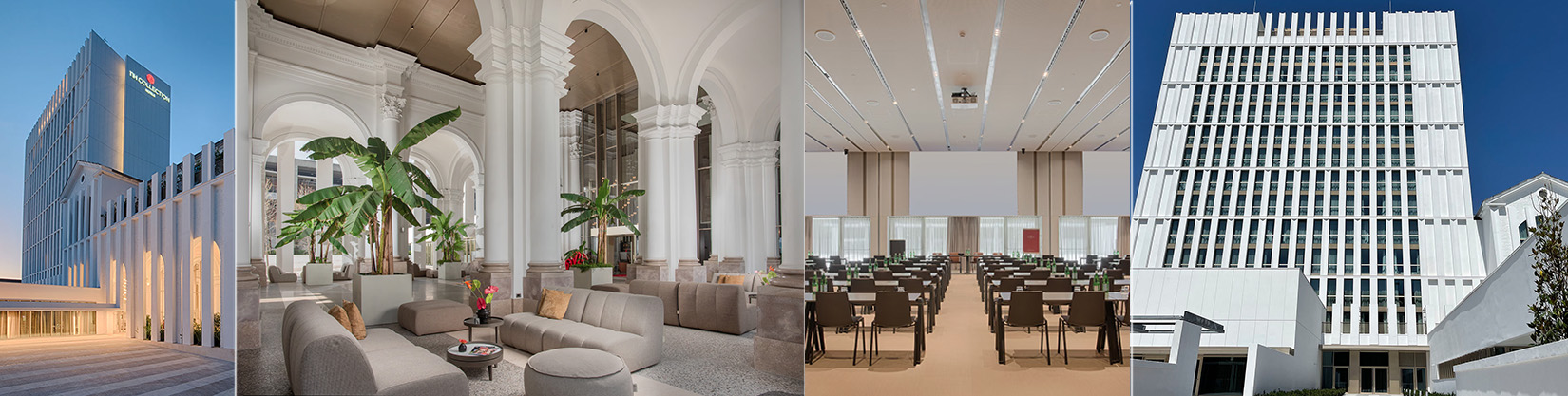
The course is held at the NH Collection Milan CityLife Hotel, in one of the new elegant and most iconic districts of the city. With its skyscrapers and large design buildings, this area helps characterize the skyline of modern Milan, still in transformation.
The hotel itself, created by incorporating the former church of Cristo Re (whose facade can be glimpsed in the central body of the building), represents a unique and interesting place also from an architectural point of view, which is worth a visit for those passing through the city.
The entrance to the wide hall is through the former nave of the church, offering an impressive view. All the spaces, from the common rooms to the apartments, from the restaurants to the bars (including the magnificent rooftop with a panoramic pool, where enjoying a cocktail at dusk is highly recommended), are designed to offer a modern and elegant style with a taste for tradition.
The hotel is centrally located in a lively area full of services and well connected to the communication routes that enter the city. The underground stop is a stone throw away. This refined 4-star hotel is also a top-level conference centre, modernly equipped, which will be able to best host our “Open Discussion with Nitzan Bichacho”.
THE VENUE
NH Collection Milan CityLife ****
Via Bartolomeo Colleoni 14
20149 Milan
HOW TO GET THERE
BY CAR
GPS coordinates: Lat: 45.48245 Lon: 9.15277
The hotel is located in the CityLife residential district, in the city center, 300 meters from Fiera Milano City, and has an internal parking lot.
BY TRAIN
Milan Central train station and Milan Porta Garibaldi station. The latter is the closest (4.8 kms away) to the hotel, which can also be easily reached by public transport. The closest Metro station is Portello (line 5), which is 230 meters away.
BY AIR
Milan Malpensa Airport (about 50 kms from Milan, 30 minutes by train) and Milan Linate Airport, which is 10 kms from the hotel (Linate is directly connected to the center of Milan with the Metro, line 4, in less than 30 minutes).
SOCIAL PROGRAM
COMING SOON
SUMMARY INFO
Speaker
Date
October 15-16, 2027
Timetable
Friday: 9:00 am-1:00 pm • 2:00-6:00 pm
Saturday: 9:00 am-1:00 pm • 2:00-5:00 pm
Location
NH Collection Milano CityLife Hotel
Via Bartolomeo Colleoni 14 – Milano
For whom
Clinicians and Dental Technicians
Payments
By Bankers Transfer to:
Dentalbrera S.r.l – Banca di Asti – Agenzia di Milano
IBAN: IT06J0608501600000000023126
Info and registrations
Language
The event will be held in English with simultaneous translation into Italian